

A cash offer in 24–48 hours means you can receive a proposed purchase price and terms within that timeframe. It does not mean your Rochester home has changed ownership or that the sale proceeds are available to spend. Accepting an offer and completing a sale are separate steps.
At Brett Buys Roc Houses LLC, we can move quickly to evaluate your home and make an offer. We visit the property before making that offer, and we discuss what needs to happen before closing. If you’re comparing buyers, understanding those steps helps you judge whether an advertised timeline fits your situation.
What a 24–48 hour cash offer actually includes
A useful offer gives you more than a number. It should explain the proposed price, who pays which costs, any conditions, and the expected timing of the purchase.
Ask when the advertised clock starts. Does it begin when you submit a form, when someone speaks with you, or after the buyer visits the house and receives the information needed to evaluate it?
Also ask whether you’re receiving a preliminary estimate or a written purchase offer. A number based on an address and a few photos may still need substantial review.
Getting an answer quickly can be helpful. It gives you something concrete to consider while deciding whether to sell, explore a listing, or keep the property.
The steps between an offer and a completed purchase
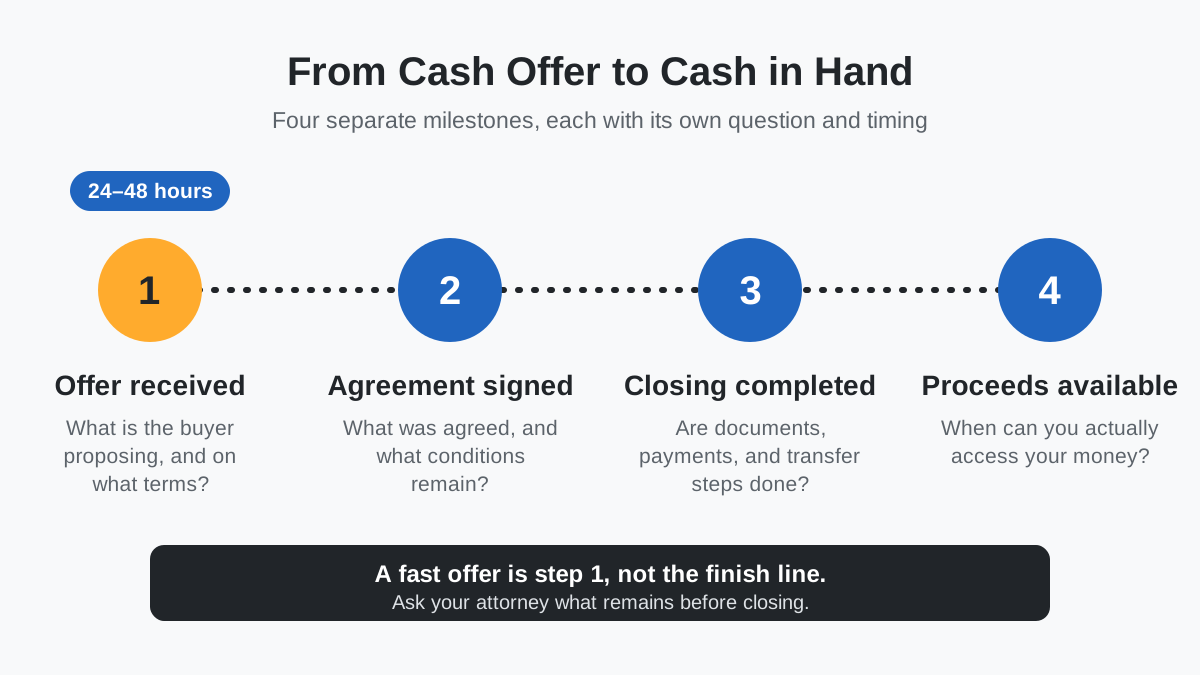
These milestones answer different questions:
- Offer received: What is the buyer proposing to pay, and on what terms?
- Purchase agreement signed: What have the parties agreed to, and what conditions remain?
- Closing completed: Have the required documents, payments, and transfer steps been completed?
- Proceeds available: When can you actually access your money?
A signed purchase agreement can create obligations before closing. Have your own attorney explain the agreement, including any review provisions, contingencies, cancellation rights, and deadlines, before you sign.
What can affect the closing date
An all-cash purchase removes the buyer’s mortgage approval process. It doesn’t automatically resolve questions about ownership, outstanding balances, or the documents needed to complete the transaction.
For your property, the closing team may need to review title, obtain mortgage or lien payoff information, confirm who has authority to sign, or address estate-related paperwork. Your plans for moving and delivering possession also need to match the agreement.
Ask your attorney which items remain outstanding and which must be resolved before closing or handled at closing. A buyer may be ready to pay while another necessary part of the transaction is still unfinished.
That’s why a two-day offer should never be treated as a blanket promise of a two-day closing. A credible timeline should explain what is already complete, what remains, and who is handling it.
New York homeowner protections also matter
If your situation involves foreclosure or other financial distress, ask your own attorney whether New York’s Home Equity Theft Prevention Act applies to the proposed sale. Covered transactions have specific contract requirements and cancellation protections, along with restrictions on what the purchaser can do during the protected period. New York Real Property Law Section 265-a
Those protections cannot be treated as optional because an advertisement promises speed. The correct process depends on the property, the parties, and the transaction.
Decide what you actually need to happen quickly
If you need a price so you can weigh your options, a prompt written offer can help. Review the terms and ask what could still change. You can then decide whether to pursue the sale or explore another route.
If you need to move by a set date, ask whether the remaining work supports that date. A buyer’s willingness to move quickly matters, but so do unresolved documents, approvals, and your own moving plans. Agreeing to an ambitious date won’t make those tasks disappear.
If you need the proceeds to pay for your next home, ask your attorney when the funds are expected to be available. Avoid making a nonrefundable commitment based only on when you received the offer.
The best next step depends on which of these needs you have. Explain the deadline first, then ask for a plan tied to that deadline.
What one long Rochester sale taught us
One Rochester seller we worked with went through a 500-day short-sale process. Title work uncovered $55,000 in additional liens and judgments, and the sale required more work with the lender. We stayed involved through that process and helped with moving preparations and storage.
That was a difficult case, not a normal closing timeline. It shows why a buyer’s first response tells you very little about how they will handle problems later. Ask what happens if a title or approval issue comes up and how the buyer will keep you informed.
A quick offer can begin the process. Following through requires a plan for the actual property and circumstances.
Common mistakes when comparing fast cash offers
Comparing only the advertised number of days.
Two buyers may be describing completely different milestones. Ask both for the expected offer date and the steps leading to closing.
Treating cash as a guarantee.
Ask for proof of funds and have your attorney review the buyer’s obligations and any conditions. The word “cash” alone doesn’t establish that every requirement has been satisfied.
Assuming a quick offer requires an immediate decision.
Ask whether the offer expires and give yourself time to understand it. A fast response from a buyer doesn’t remove your need to review the terms.
Planning around money you haven’t received.
Confirm expected disbursement timing with your attorney before committing to expenses that depend on the proceeds.
A simple way to compare two timelines
Ask each buyer for three things: when you can expect a written offer, what remains before closing, and who will confirm when your proceeds can be released. This puts both proposals on the same footing.
Then have your attorney review the terms that support those dates. A timeline is more useful when you understand its conditions and who is responsible for the remaining work.
Frequently asked questions about fast cash offers
Does accepting a cash offer mean my house is already sold?
No. An accepted offer or signed agreement is a step toward a sale. The transaction still needs to meet its requirements and reach closing. Have your attorney explain when the agreement becomes binding and what duties it creates.
When does a 24–48-hour offer timeframe start?
Ask the buyer. It may start at first contact or after a property visit and review. Knowing the starting point helps you compare two advertised timelines fairly.
Does a cash buyer remove every possible delay?
No. A purchase without a mortgage avoids the buyer’s loan approval process, but other issues can remain. Ask which documents, approvals, or property matters still need attention.
Can I plan my move around the offer date?
Use a confirmed plan for closing and possession rather than the date an offer arrives. If your move depends on the proceeds, confirm expected payment timing with your attorney as well.
What should I ask if the closing date changes?
Ask what caused the change, who is handling it, and when to expect an update. Have your attorney explain how the agreement addresses delays and what options you have.
A fast answer should come with a clear plan
At Brett Buys Roc Houses, we visit the property before making an offer and provide proof of funds with our contracts. We want to understand what you’re trying to accomplish so we can discuss the steps your sale would require.
Tell us whether you need a decision, a move, or money available by a certain date. Those needs are different, and a useful conversation starts with yours.
Contact Brett Buys Roc Houses to discuss your home and your timeline. We’ll explain what we can do, what still needs to be confirmed, and what comes next. You can review the proposal and decide whether it fits.